Introduction
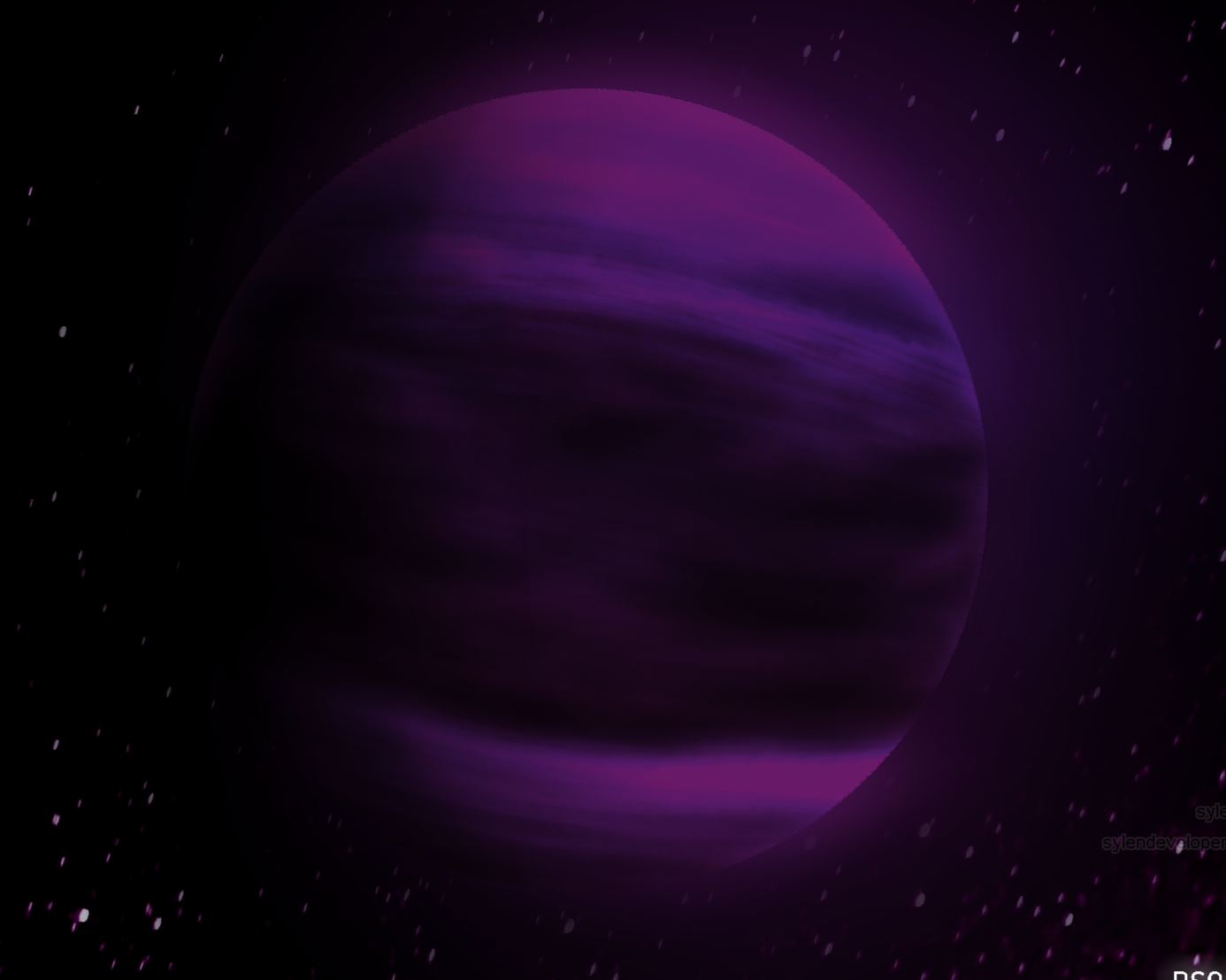
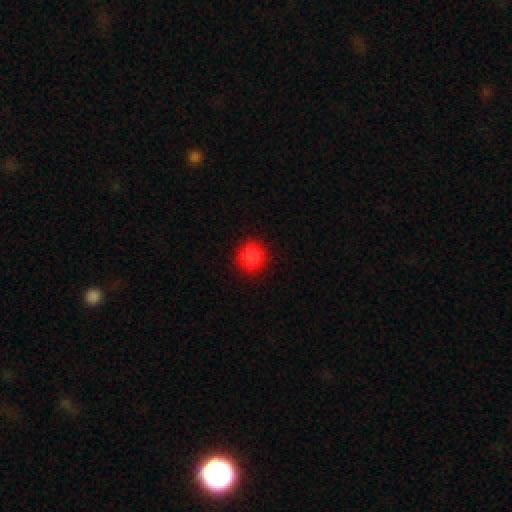
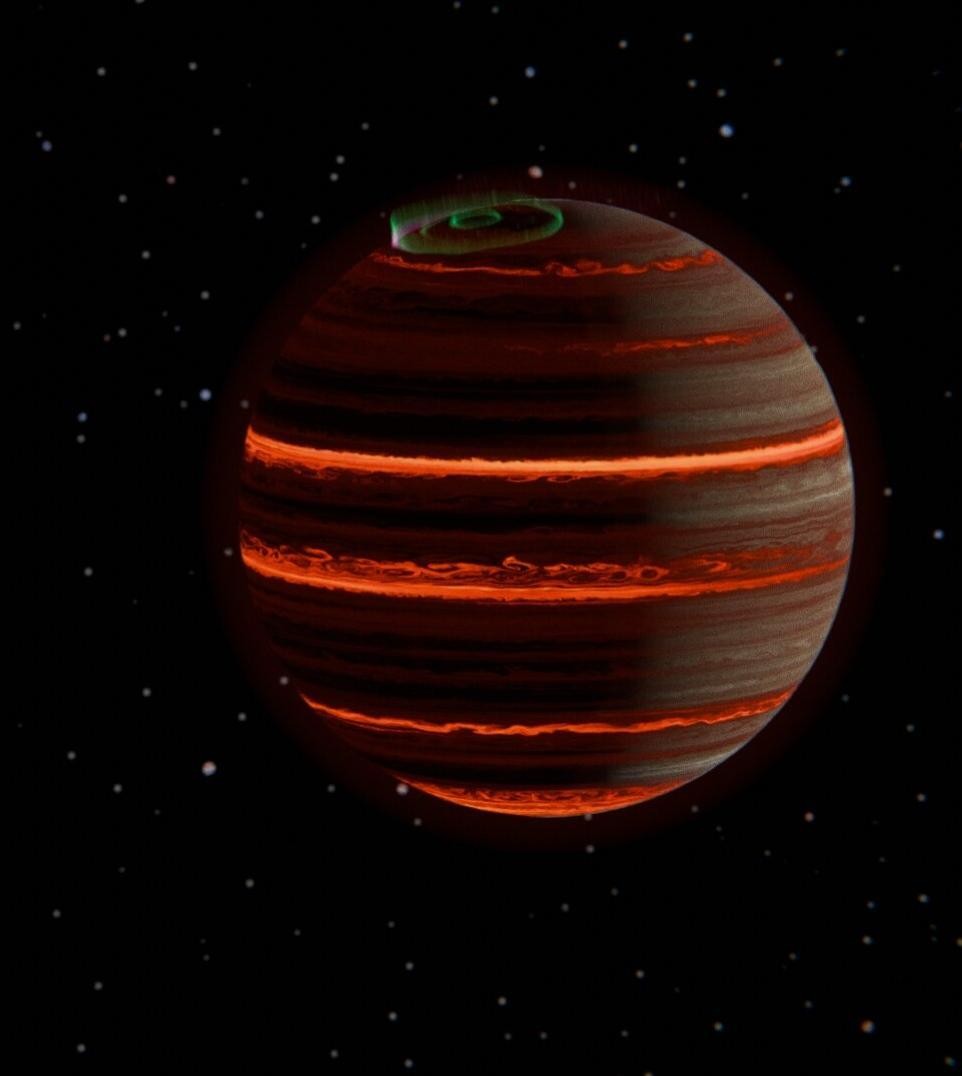
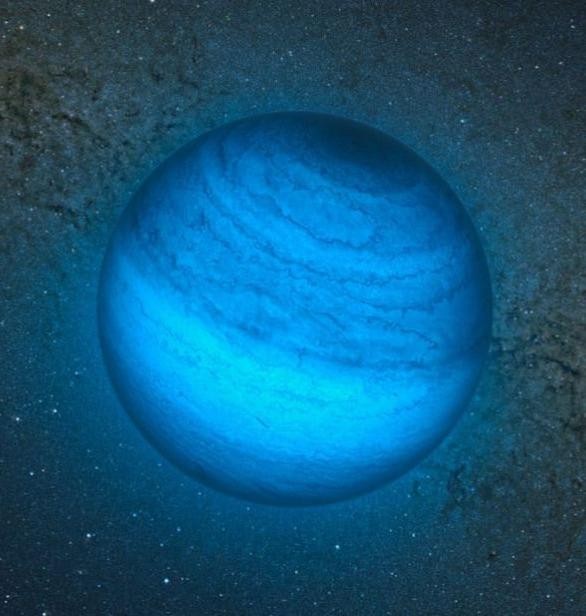
A rogue planet (or free-floating planet) is an interstellar planetary-mass object that is not gravitationally bound to any star or brown dwarf. Instead of orbiting a sun, these isolated worlds drift independently through the galaxy. One of the commonly known Rogue planet is Simp 0136
Personally, rogue planets are one of my favourite cosmic objects. I feel like they are yearning to tell the earth a story! Because in a world where everyone believes a planet needs a sun in order to survive, rogue planets break those beliefs, stereotypes and knowledge to shine brightly without a sun.
And that has a lesson for me. When people stereotype you and believe that you can’t reach your goals, you must break their beliefs by achieving it and shine brightly in your own light; just like a Rogue planet.
Discovery
Astronomers discover rogue planets using powerful telescopes and some really advanced technology. They start by noticing strange signals and unusual observations that eventually lead them to this unique world. The discoveries has been incredibly valuable as they have given scientists fresh insights into how planets form and how they can exist in the vastness of space.
Surface & Atmosphere
What makes rogue planets so fascinating is just how wildly unpredictable they are. Because they aren’t tied to a star, their surfaces are shaped by their own unique histories and whatever chaotic environments they’ve drifted through.
You might find a world covered in jagged rock, one encased in deep ice, or a surface scarred by ancient cosmic collisions. Over billions of years in the deep freeze of space, these worlds are constantly being reshaped, leaving behind a trail of geological clues.
For scientists, reading these features it is like playing cosmic detective, piecing together how a planet was born and how it ended up wandering the galaxy alone.
If a rogue planet manages to hold onto an atmosphere, things get even more interesting. An atmosphere dictates everything from a planet’s weather to whether it can trap enough internal heat to keep from completely freezing over. Some might be wrapped in thick, insulating layers of gas, while others are entirely naked to the vacuum of space.
But the real showstoppers are the auroras. On some of these lonely worlds, charged particles crash into magnetic fields and gases to light up the dark with brilliant, dancing colors. Beautiful as they are, these light shows are a goldmine for scientists, offering a rare glimpse into the planet’s hidden magnetic strength and what’s churning deep inside its core.
How Does the Planet Exist Without a Sun?
Rogue planets travel freely through space instead of revolving around a star. Every scientist studying them has their own explanation of their unique existence.
Here are two popular hypotheses about how rogue planets are formed.
- Scientists believe the planet was originally part of a solar system and orbited a star like other planets. However, due to strong gravitational forces or collisions with other massive objects, it was thrown out of its planetary system. After being ejected, it began traveling alone through space without orbiting any sun, becoming what is known as a rogue planet.
- This planet may have been in the process of becoming a star but failed because it did not gather enough mass. To become a true sun, an object needs enough mass to create nuclear fusion at its core. Since this did not happen, it remained a planet-like object instead of becoming a star. A similar example is Jupiter, which is sometimes called a “failed star” because although it is massive, it does not have enough mass to become a sun.
Although these are two of the popular hypotheses there are plenty more theories on the creation of rogue planets. But all of these remain speculations as there is no proof that a particular idea is the only truth.
How does this planet survive?
It’s easy to assume that a planet cut loose from its star would instantly freeze into a dead rock, but many rogue planets are surprisingly resilient. They bring their own blankets to the party.
Instead of relying on a nearby sun for warmth, these worlds survive on the leftover heat trapped inside them since the day they were born. As they drift through the pitch-black void of interstellar space, they slowly leak this internal energy, keeping them much warmer than you’d ever expect for an isolated world.
There is also a lot going on beneath the surface. Deep internal churning can power strong magnetic fields, which twist and react with stray cosmic particles. When that happens, it can ignite brilliant, ghost-like auroras across the sky. These aren’t just pretty light shows; they are proof that these lonely worlds aren’t dead at all. Even without a star to guide them, they are still dynamic, active, and full of life.
Conclusion
Rogue planets are easily one of the most mysterious and coolest things we’ve found in space. They are not like regular planets, and wander freely through the galaxy with no star to orbit, which completely challenges what we thought we knew about how worlds can even exist.
Its weird features, those incredible glowing auroras, and its whole unique vibe have scientists around the world hooked. We still have tons of unanswered questions about it, but digging deeper into this rogue planet might teach us surprising new things not only about planets and stars, but possibly about life out there in the universe too.
“Some worlds shine not because of a sun, but because of the mysteries they carry.” –Kamalesh M K.
References
- Nasa Astrobiology (.gov) : getting to know about rogue planet
- Wikipedia: rogue planet
- Nasa (.gov) : exo planets
- Britannica : rogue planet | definition, examples & facts
- Photos from : Nasa.gov | space.com | newgrounds.com | Wikipedia.org | earth.com