The Resource Loophole
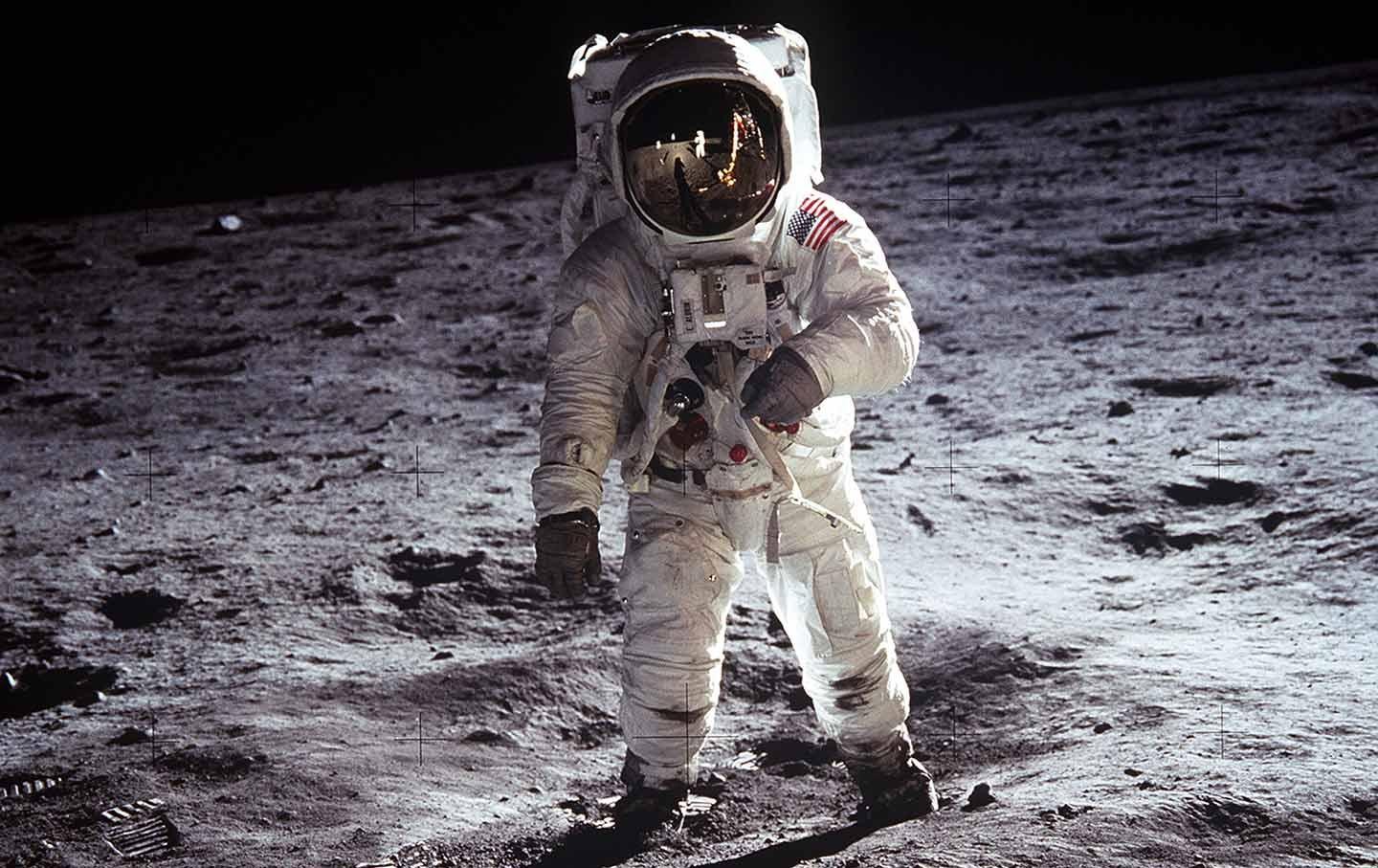
We are aware of how the laws of physics apply on the moon. However, have you ever questioned whether a legal framework exists to protect the lunar landscape?
The Treaty on Principles Governing the Activities of States in the Exploration and Use of Outer Space, including the Moon and Other Celestial Bodies, which was signed in 1967, is the fundamental text of international space law.
Planting a flag and claiming the Moon is strictly forbidden.. But there is a huge, glaring loophole. You can’t legally own the lunar dirt, but you can own the water-ice and minerals you mine from it, according to laws like the U.S. Space Act.
That’s when the slippery path starts. Once you own the resources, how long before you claim the sky directly above them? Even if we might perhaps write a perfect Moon Constitution, enforcement of standards is a practical nightmare.
Some may argue that there’s no space for law enforcement to prevent an illegal nation or a trillion dollar corporation from breaking the rules. If a company fences off a sector of the far side for its private satellites, the fight could take years to sort out in the courts of Earth. The pristine environment will already be ruined by then.
We need a precautionary framework that avoids this from arising at all. The sky has to be a common highway, not one that can be divided off into toll roads.
The Conflict of Silence
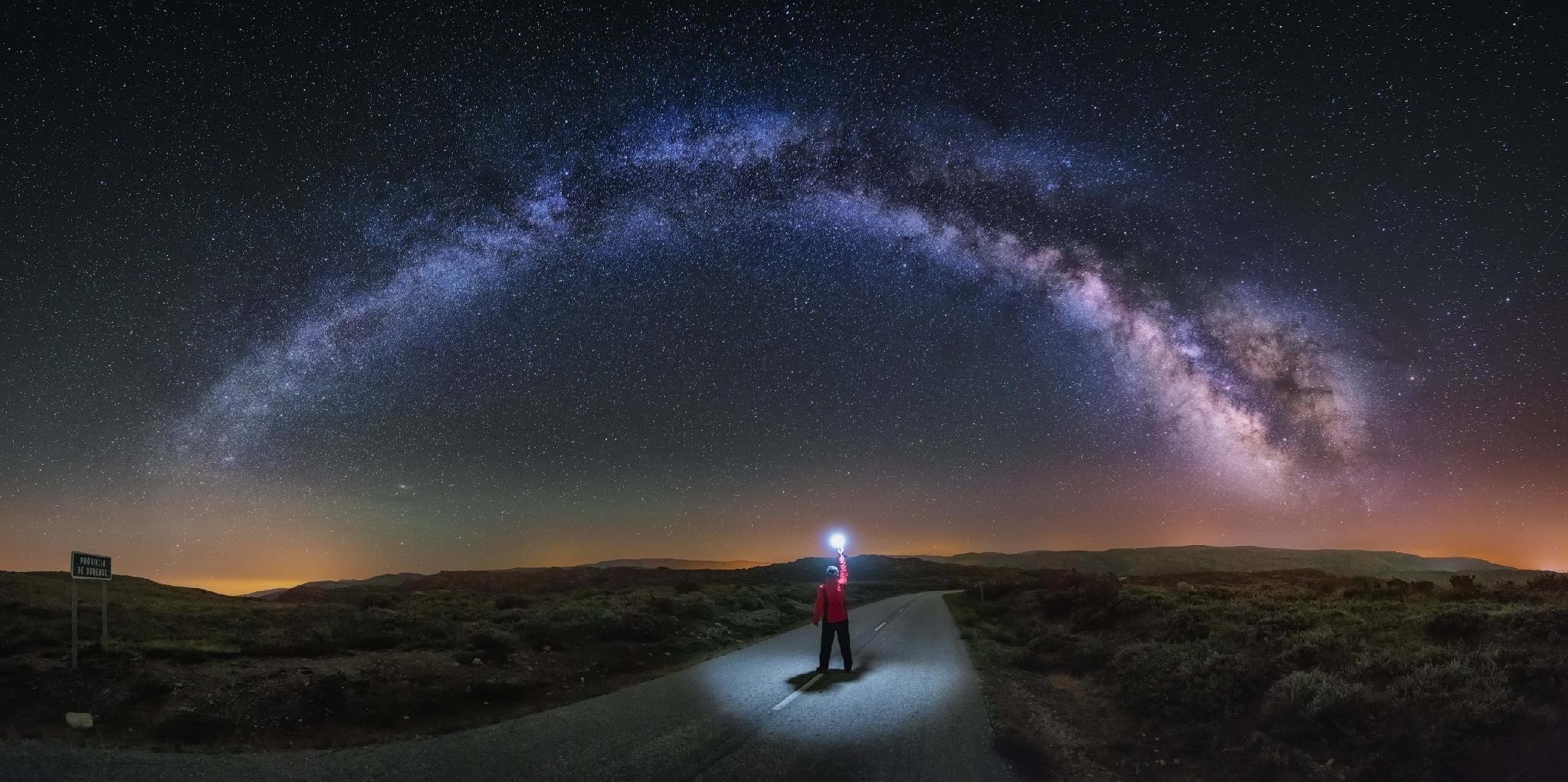
The most significant property on the Moon isn’t even land. It is the entire silence of the far side. It’s the only location left in our universe where we are able to truly hear the stars without static interference, as it’s completely shielded from the constant electronic sounds of Earth.
It would amount to squatting on the quietness of space if mega-satellite firms were allowed to transmit whatever they wish into the heavens. That has to be ensured by a real constitution. While the International Telecommunication Union is trying to preserve this “Shielded Zone,” there is more work to do.
Owning the heavens should mean keeping silent and not selling out to the highest corporate bidder
Clean Up Your Own Mess
On Earth, our atmosphere burns up our trash. On the Moon, there’s no shield. Every rocket that lands kicks up sharp dust that just sits in the thin exosphere, “blinding” telescopes or shredding other ships.
Legal experts like S.J. Shackelford have pointed out that we desperately need international models to govern these kinds of shared spaces. A lunar constitution should make the user responsible for the sector they operate in.
If their mining or landing mess interferes with a neighbor, they should be considered in violation of the rules. Sovereignty shouldn’t be about who has the most territory; it should be about who is keeping the neighborhood the cleanest.
The Golden Rule is Survival
Living behind the moon means dealing with total communication blackouts of those Loneliest 40 minutes where you are truly on your own.
Well in that silence, corporate contracts really don’t mean anything. When an oxygen tank ruptures or a solar flare hits, a localized territory becomes nothing more than a potential tomb.
The 1968 Rescue Agreement calls us “envoys of mankind.” That needs to be the heart of the future lunar constitution. The only real claim one can have to a sector of space is your duty to help. If a neighbor is in trouble, the sky belongs to whoever can get there and save them.
Question Is, Who Owns the Sky?
The question in everyone’s mind is who really owns the sky? The answer is no one, and we can’t let countries turn the stars into a battlefield just to prove who’s in charge.
The sky shouldn’t be a competition but rather a common ground. If we let national rivalries dictate our path, then we aren’t exploring space; “we are just exporting our wars”. We need to stop seeing outer space as something to be conquered and start seeing it as a sanctuary that belongs to all of humanity
If we don’t draw a line now, we are at risk of losing peace and the wonder of the cosmos forever. It’s time to leave the fighting behind and start treating the sky as the one place where we can finally work as a team. A future Moon Constitution must include a strict treaty that bans orbital weapons and prevents military escalation.
Rather than compete, this system should instead focus on common scientific objectives that foster trust among nations. We can only guarantee that the moon will always be a peaceful exploration site by enshrining these laws in a global constitution.
References
- United Nations. (1968). Agreement on the Rescue of Astronauts, the Return of Astronauts and the Return of Objects Launched into Outer Space. United Nations Treaty Series, 672, 119.https://www.mcgill.ca/iasl/research/space-law/rescue-agreement
- Shackelford, S. J. (2010). Governing the joint commons: Evaluating international governance models for the internationalization of space. Vanderbilt Journal of Transnational Law, 43(3), 423-456.https://europeistyka.uj.edu.pl/documents/3458728/151580249/PWPM_2022_20_02_Kwiecien.pdf/4cd4d6a1-32e8-435a-97d0-83fbe4333209
- United Nations. (1967). Treaty on principles governing the activities of states in the exploration and use of outer space, including the moon and other celestial bodies. United Nations Treaty Series, 610(205), 205-212.United Nations Treaty Series Registry.
- Tronchetti, F. (2015). The US Commercial Space Launch Competitiveness Act of 2015: An analysis of its implications for space mining. Space Policy, 34(1), 6-9 U.S. Congress Legislative Database